Paying the Bank, Not Building a Future: Why Lease-Purchase Programs Deserve a Second Look
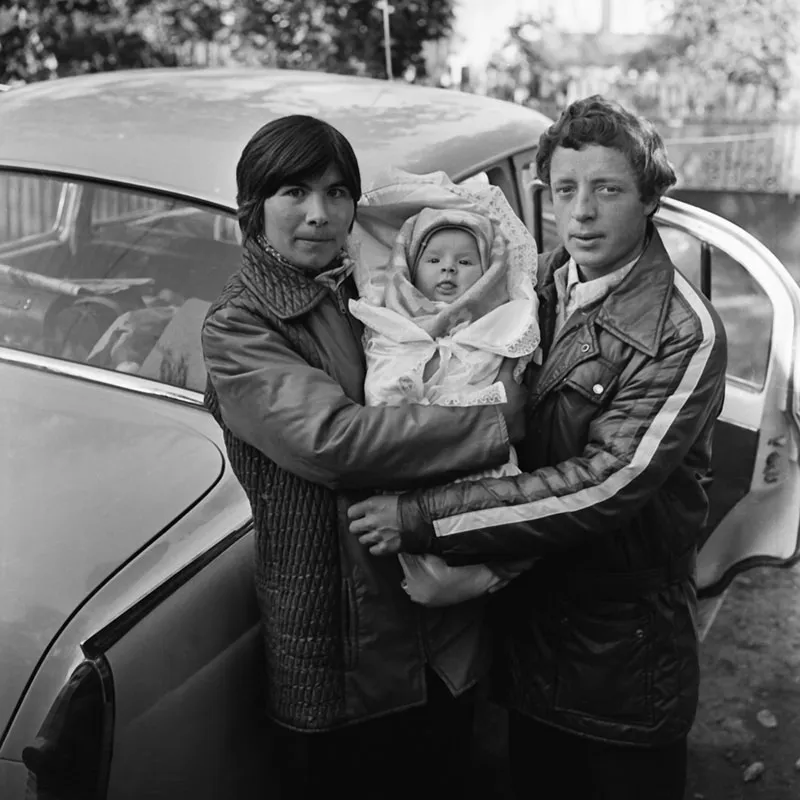
Photo: Ion Chibzii from Chisinau, Republic of Moldova, CC BY-SA 2.0, via Wikimedia Commons
Every month, in rental markets from Phoenix to Philadelphia, a quiet transfer of wealth takes place. A tenant writes a check for $1,900. The landlord's mortgage payment on the same unit — taxes and insurance included — might be $1,250. The difference does not disappear; it accumulates in someone else's name, building equity the renter will never touch.
At CNHD Home, we believe the affordability conversation too often stops at the question of monthly cost. It should also ask a harder question: why does the money tenants already pay fail to translate into ownership? Lease-purchase programs — sometimes called rent-to-own — offer one answer, but only if the model is rebuilt with tenants, not investors, at the center.
The Arithmetic Renters Rarely See
The gap between rent and landlord costs is not a scandal; it is the predictable result of market dynamics. Landlords who purchased years ago, or in lower-cost regions, often carry mortgages far below prevailing rents. Meanwhile, renters face the twin burden of rising rents and down payments that grow faster than savings can keep pace.
Consider a household paying $1,800 a month for five years. That is $108,000 in housing costs — frequently more than a down payment would have required on the same property. None of it is recoverable. This is not an argument against landlords, who do assume risk and maintenance costs. It is an argument that the current structure leaves a large, predictable pool of capital sitting on the table.
How Lease-Purchase Programs Work — and Where They Fail
In a typical lease-purchase arrangement, a tenant signs a lease with an option to buy at a set price, often paying a modest premium each month that is credited toward a future down payment. Done well, the model converts a portion of rent into savings and gives households time to repair credit or stabilize income.
Done poorly — and historically, it has often been done poorly — the model becomes predatory. Common failures include:
- Forfeitable option fees. Tenants pay thousands upfront, then lose everything if they cannot close, sometimes due to a minor lease violation.
- Inflated purchase prices locked in at market peaks, leaving buyers underwater before they begin.
- Maintenance obligations shifted to tenants who hold none of the legal protections of owners.
- No independent inspection or financing support, leaving families to discover disqualifying property defects at the worst possible moment.
These failures have given rent-to-own a deservedly skeptical reputation in some circles. But discarding the model entirely would be a mistake. The core insight — that monthly housing payments can and should build equity — remains sound. What needs reform is the architecture.
What Responsible Reform Looks Like
Several policy and program-level changes could transform lease-purchase from a gamble into a genuine pathway to ownership.
Mandatory escrow of rent credits. Payments above market rent should sit in a third-party escrow account, not flow to the seller's operating budget. If the purchase never closes, the tenant's savings should be returned, minus clearly disclosed costs.
Independent appraisals at signing and at closing. Purchase prices should be tied to a transparent valuation process, protecting tenants from buying at inflated figures.
Right of withdrawal with partial refund. Life circumstances change. A fair program allows exit without total forfeiture, treating the arrangement as a bridge rather than a trap.
Nonprofit and public-sector participation. Community land trusts, housing authorities, and mission-driven lenders can operate lease-purchase models with aligned incentives. When the program sponsor's goal is successful homeownership rather than fee capture, outcomes improve dramatically.
Underwriting support built in from day one. Tenants should receive credit counseling and a realistic financing roadmap at the outset, not a surprise rejection after years of payments.
A Pathway, Not a Panacea
Lease-purchase is not a substitute for the deeper fixes this country needs — zoning reform, increased housing supply, and expanded down payment assistance. But for households who are income-ready yet savings-short, or who need time to address credit barriers, a reformed model could close a gap that currently swallows their money whole.
The dollars are already flowing. The question is whose future they build. With the right guardrails, the rent check a family writes each month could become the first chapter of their ownership story — and that is a reform worth pursuing.