When Labor Counts as Capital: A Buyer’s Guide to Self-Help Housing

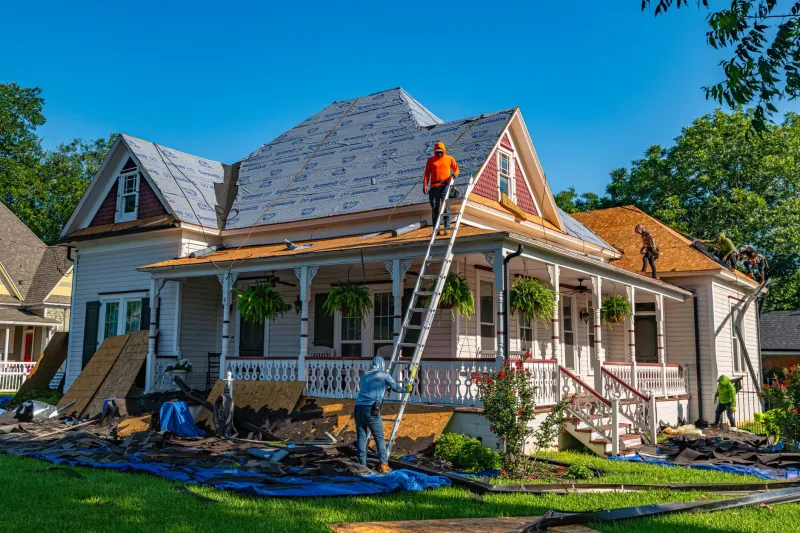
Photo: Timiadekola, CC0, via Wikimedia Commons
Few terms in affordable housing are as appealing—or as loosely used—as sweat equity. The phrase suggests a simple bargain: contribute labor, reduce the cash needed at closing, and own a home. In practice, sweat equity is a structured underwriting tool used by nonprofit sponsors and government-backed self-help programs. It is not a shortcut around affordability, and it is rarely a casual weekend commitment.
What Sweat Equity Actually Is
In a legitimate self-help program, sweat equity is the value of a buyer’s labor credited toward the purchase of a home. It may reduce the mortgage principal, serve as a down payment substitute, or satisfy a program’s required investment. Sponsors document hours, assign tasks, and inspect work. The credit is usually tied to a written agreement, not an informal promise.
Two established models dominate. Nonprofit homebuilders, often Habitat for Humanity affiliates, require hundreds of hours of construction and community service before closing. USDA Rural Development’s Mutual Self-Help Housing program, administered through local nonprofit sponsors with Section 523 technical assistance, groups families to build one another’s homes under supervision. Participants often supply a substantial share of construction labor. Exact requirements vary by sponsor, lender, and subsidy layer.
How Hours Become Equity
Programs value sweat equity differently. Some credit hours at an internal rate; others treat labor as the equivalent of a down payment; still others use it to reduce the amount borrowed. The key is documentation. A credible program keeps timesheets, task lists, inspection records, and a closing statement that shows how labor affected the purchase price or loan balance. Buyers should ask for that accounting in writing before signing.
Sweat equity also has tax and lending implications. Lenders must know whether the credit is a grant, a deferred obligation, or a reduction in price. Sponsors should explain whether the value appears on the settlement statement and how it affects the home’s basis. A buyer’s tax adviser can clarify consequences, but the program should not be vague about the mechanics.
Who Qualifies
Eligibility generally follows income limits, first-time buyer status, creditworthiness, and willingness to complete orientation and training. USDA-style programs target rural areas and moderate-income households; nonprofit affiliates often serve lower-income buyers and may require community service beyond construction. Applicants should expect a screening process that resembles a mortgage application, not a lottery.
The profile that succeeds is not necessarily the most skilled carpenter. Sponsors look for reliable attendance, safe conduct, and follow-through. A buyer who can frame a wall is useful; a buyer who shows up on time for twelve weekends is essential.
The Real Risks
Sweat equity programs can be powerful, but they carry risks that marketing materials often omit.
Timelines. Group builds depend on weather, permits, volunteer labor, and material deliveries. A family may spend months working before closing. Rent, storage, and childcare costs continue during that period.
Inspections and rework. Work must meet code and sponsor standards. A well-meaning volunteer’s mistake can delay an inspection or require correction. Buyers should confirm who is responsible for rework and whether hours are credited for fixes.
Resale restrictions. Many programs attach affordability covenants, deed restrictions, or shared-equity formulas. These may limit the sale price, require occupancy, or give the sponsor a right to repurchase. They are not automatically unfair, but they must be understood before closing.
Opportunity cost. Hundreds of hours are unpaid labor. A buyer who misses work or pays for childcare may find that the effective value of the credit is lower than expected.
Separating Programs from Hype
The term “sweat equity” has been borrowed by for-profit seminars, lease-purchase marketers, and “rent-to-own” operators. Warning signs include promises that labor alone will secure ownership, no written hour valuation, no licensed supervision, and pressure to pay fees before seeing a contract. A legitimate program will identify its sponsor, its regulatory agreement, its lender, and its resale terms.
Buyers should ask: Who holds title during construction? What happens if the project stalls? How are hours recorded? What inspections apply? Is the home subject to a land trust or affordability covenant? What happens if the buyer cannot complete the hours?
A Practical Checklist
Before committing, request the program’s written policies on hours, safety training, insurance, and withdrawal. Confirm whether the sweat equity credit is treated as a down payment, a price reduction, or a grant. Ask for a sample settlement statement. Review resale restrictions with a housing counselor or attorney. Visit a completed home and speak with a past participant.
Sweat equity is not free money. It is earned credit, documented labor, and a long-term commitment. For buyers who understand the terms, it can turn hours into ownership. For those who mistake the slogan for a guarantee, it can become another costly detour on the road to a home.