Repair Before Removal: How Local Home Repair Aid Keeps Affordable Owners in Place
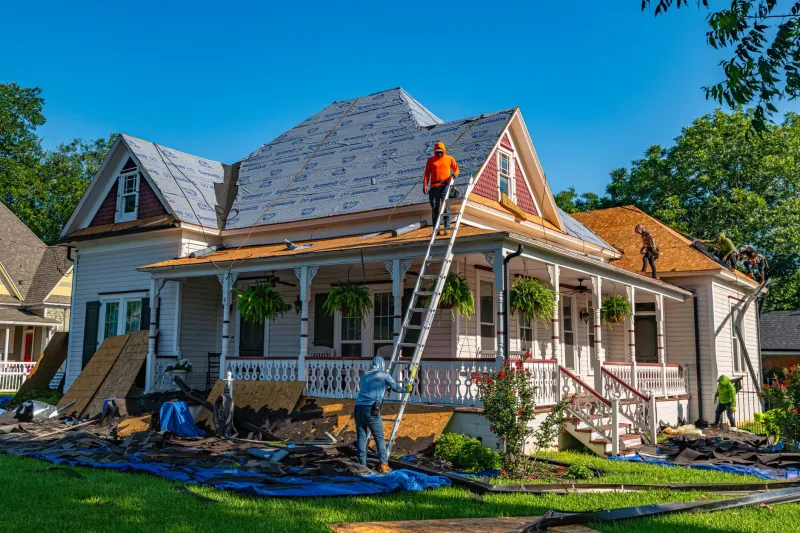
For many low- and moderate-income homeowners, the path to displacement does not begin with a foreclosure notice. It begins with a repair estimate. A failing roof, a broken heating system, or a bathroom that no longer accommodates an aging resident can turn a stable home into a financial emergency. When the owner cannot pay for the work, the pressure to sell—often to an investor—can become overwhelming.
That is why a growing number of local governments and nonprofits fund home repair assistance. These programs are not a substitute for new affordable housing construction. They are a preservation strategy, and in many communities they are among the least expensive ways to keep an existing affordable home occupied by its current owner.
Why Repair Is a Preservation Tool
New construction is costly and slow. A single subsidized unit can require years of planning, financing, and site work. Repairing an occupied home often costs far less per household, and it avoids the disruption of relocation. It also preserves the social and financial investments that owners have already made in their neighborhoods.
The math is straightforward. A roof replacement or a heating system upgrade may cost a fraction of what a new unit requires in public subsidy. When that repair prevents a foreclosure or a distressed sale, the community retains an affordable home, the owner retains equity, and local schools and services retain a household that might otherwise leave.
This is not to say that repair aid solves the affordable housing shortage. It does not create new units. But it addresses a quiet form of attrition: the loss of homes that are already affordable because they fall into disrepair.
Who Qualifies
Eligibility varies by program, but most local repair initiatives share common features. They typically serve homeowners with incomes at or below a set percentage of area median income—often 80 percent, sometimes 120 percent for certain programs. Many prioritize older adults, people with disabilities, veterans, and households with children.
The property itself must usually be the owner's primary residence. Some programs require clear title, current property taxes, and homeowner insurance. Others may allow a repayment plan for back taxes. Condominiums and manufactured homes may have separate rules, so owners should ask before applying.
Federal resources often sit behind local programs. The U.S. Department of Housing and Urban Development funds Community Development Block Grants, which many cities and counties use for housing rehabilitation. The USDA Section 504 program offers loans and grants for very-low-income rural owners. The Weatherization Assistance Program, administered through state and local agencies, can address energy-related repairs. Area Agencies on Aging sometimes fund accessibility modifications. Local nonprofits, including Rebuilding Together affiliates and Habitat for Humanity chapters, may provide critical repairs or volunteer labor.
Where to Look
A reliable starting point is the local government. City or county housing departments often maintain lists of repair programs, even when they do not run them directly. A call to the local Area Agency on Aging can help older homeowners find assistance with ramps, grab bars, and heating repairs. State housing finance agencies may also point to regional programs.
Nonprofit intermediaries are another source. Community action agencies, community development corporations, and faith-based repair ministries often know which programs are active and which have waiting lists. CNHD Home encourages owners to ask for written program guidelines rather than relying on a phone conversation.
Neighbors and local housing counselors can be useful references. HUD-approved counseling agencies do not usually perform repairs, but they can help owners evaluate options and avoid predatory contractors.
Reading the Fine Print
Repair aid comes in several forms. A grant does not require repayment. A deferred loan may carry no monthly payment but becomes due when the home is sold, transferred, or no longer the owner's primary residence. A low-interest loan requires regular payments. Some programs place a lien on the property to secure the assistance.
None of these structures is inherently problematic, but owners should understand the obligations before signing. A deferred loan can preserve affordability for the next buyer, but it can also reduce the owner's net proceeds at sale. A lien may affect the owner's ability to refinance or obtain a home equity line of credit. Owners should ask about the interest rate, the repayment schedule, the lien amount, and the circumstances that trigger repayment.
Program staff should explain these terms in plain language. If they do not, the owner should seek independent advice from a housing counselor or an attorney.
Common Pitfalls
One frequent problem is the waiting list. Demand for repair aid often exceeds funding, and some programs close applications for months at a time. Owners should apply to multiple programs and keep copies of their applications.
Another pitfall is contractor fraud. Programs that assign contractors can reduce this risk, but owners who receive a grant or loan to hire their own contractor must verify licenses, insurance, and references. A reputable contractor should provide a written contract that specifies the scope of work, payment schedule, and warranty. Owners should never pay the full amount upfront.
A third issue is scope creep. A program may fund a roof replacement but not the water damage inside the home. Owners should ask what the program covers and what it does not. Some programs can bundle repairs through multiple funding sources; others cannot.
Finally, owners should be wary of unsolicited offers to buy the home as-is. Distressed owners are common targets for investors who profit from quick sales. Repair assistance can remove that pressure, but only if the owner knows the options before the offer arrives.
A Practical Sequence
The most effective approach is to act early. A small leak is cheaper to fix than rotted framing. A heating system that is failing is cheaper to replace before winter than during an emergency.
Owners should start with a home inspection or a contractor assessment, then contact the local housing department and Area Agency on Aging. They should gather income documentation, proof of ownership, and insurance information. They should ask about waiting lists and alternative programs. And they should keep records of every conversation.
Preserving an affordable home is not as visible as building a new one. But for the owner facing a repair bill, it is the difference between staying put and being priced out by a problem that could have been solved.